



Direct access to the experts who worked the file.
One Horizon is built around its subject-matter experts. Members message them directly from the dashboard, and can engage them for workshops, tailored training, and consulting, scoped as separate engagements. The course library is the distilled product of their casework, Visor guidance cites them by name, and the intelligence dashboard tracks regulatory change and emerging threats. It is built for analysts, advisors, investigators, integrity officers, and leaders. Membership is one platform fee for your organization, plus an executive seat for each decision-maker who needs it.
The current library was developed with subject-matter experts from national security, policing, investigations, asset protection, and public-sector leadership. Their work repeatedly pointed to three areas where teams need practical, shared guidance.
Three recurring pain pointsThose are the problems a membership is built to work: the course library distills the experts’ casework into practical modules, Visor answers your team’s questions with named-expert citations, the intelligence dashboard tracks regulatory change and emerging threats, and members can message the experts directly.
-

-
-
-
-
-
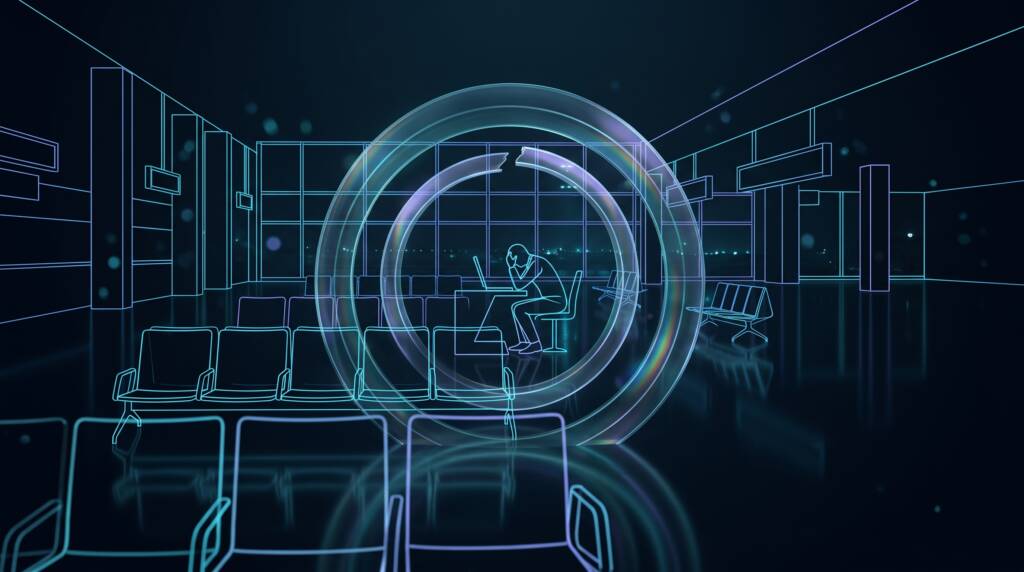

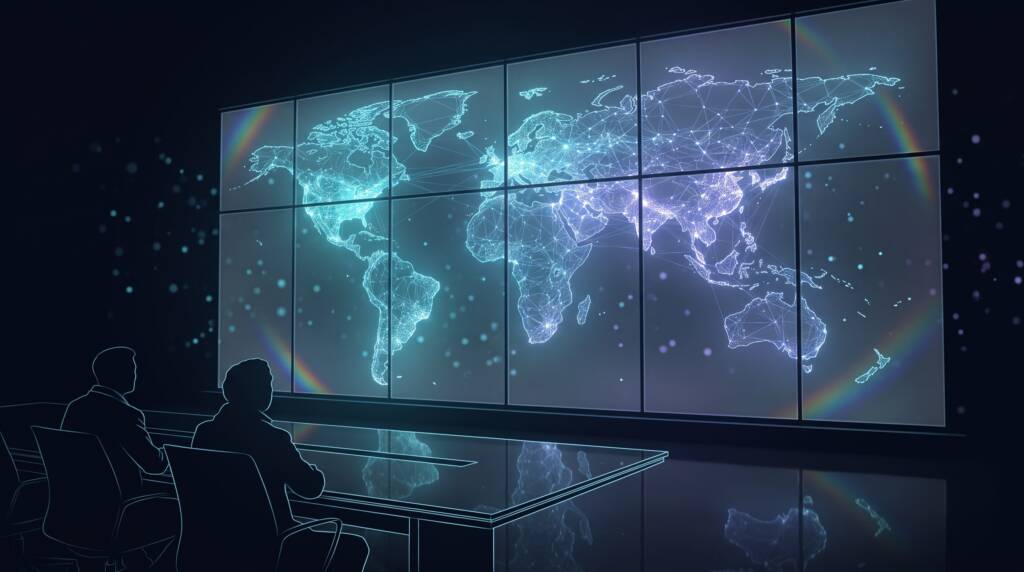
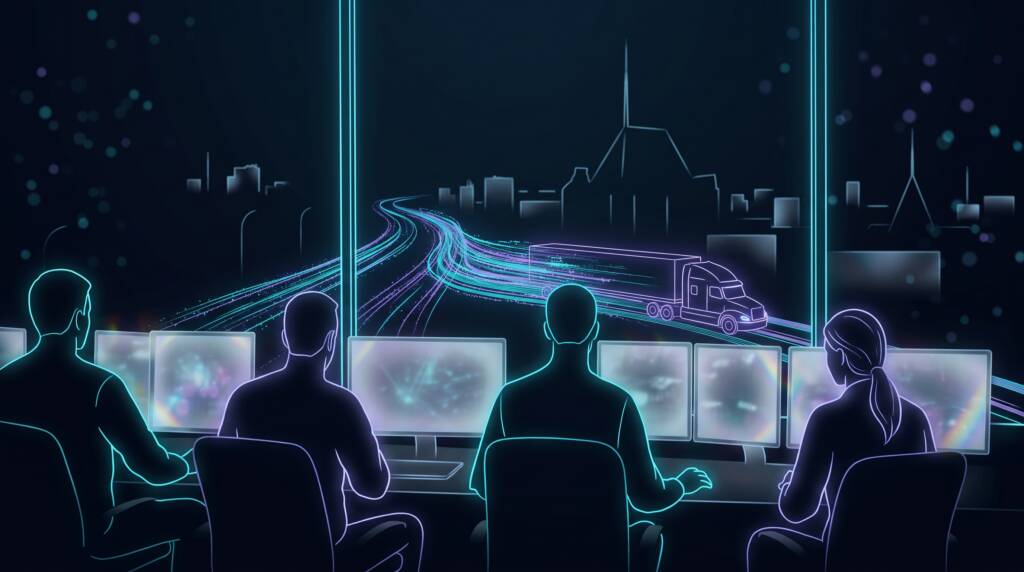


Decision-Making Under Uncertainty
Introduces OODA, Cynefin, and recognition-primed decision-making as practical ways to assess options when information is incomplete, contradictory, or changing quickly.

Insider Threat Detection
Combines pattern recognition, boundary analysis, and bias checks to help trusted-workforce teams identify and assess potential insider risk without jumping to conclusions.
EQ, CQ & IQ
Explores the roles of emotional, cultural, and cognitive intelligence in workplace investigations, including where each approach is useful and where it can fall short.

Cargo Theft Typologies
Explains the difference between opportunistic and planned cargo theft so public-sector teams can choose prevention and response measures that fit the threat.

The Crisis as Live Laboratory
Shows leaders what to observe and record while an incident is underway, allowing effective practices to be adopted immediately and carried into future planning.
Triaging Threat Actors
Offers a structured way to rank threats by severity, focus resources on the most urgent cases, and manage the remaining workload proportionately.
Recognition, grievance, access, and legacy can be stronger motivators than money. Understanding what matters to a person helps investigators assess behaviour more accurately and preserve important context when responsibility for a file changes hands.
Cultural intelligence is not a single technique. It requires an understanding of context, including Indigenous foundations, and the ability to apply that understanding in a particular workplace. Treating it as a checklist can cause investigators to miss the interactions that led to the complaint.
A tracker that shows a load moving to an unscheduled warehouse or industrial area can give investigators a useful line of inquiry. Preserving the full location history helps police and counsel assess what happened and what evidence may still be available.
We have received a complaint involving people from different cultural communities. We need an investigation method that can be explained clearly if the process is reviewed.
The Cross-Cultural Workplace Investigations module, led by Arjun B., with a layered interview framework covering cultural context, Indigenous considerations, and practical workplace application.
A documented method gives the investigator and any later reviewer a clear record of how the interviews were planned and conducted.
An employee with privileged system access has triggered several anomalies. How should we assess motivation and intent before deciding what to do?
The Insider Threat Detection module, led by Ruari Nicholson, including a motivation-triage method and a bias-checking tool for assessors.
The framework helps decision-makers and counsel review how the available information, possible motives, and assessor bias were considered before action was taken.
We are dealing with an incident now. Our team needs a decision framework it can use today, not only during the after-action review.
The Decision-Making Under Uncertainty module, with OODA, Cynefin, and recognition-primed frameworks connected to first-hand national-security experience.
Naming the framework and recording how it was used gives the team a stronger briefing note and a clearer record for later review.
We have had several cargo losses, but the cases are not progressing. What evidence should drivers and operations staff preserve?
The Cargo Theft module, led by Todd Moore, including a process for preserving tracker history and related evidence for review by police and counsel.
A consistent evidence protocol makes each incident easier to assess and helps management see how repeated losses are being addressed.
We need guidance in an area that does not appear in the current library.
We assess the gap, connect it with the closest expert in the One Horizon network, and, where appropriate, develop new coverage during the membership term.
Your team can ask for coverage based on its actual work instead of being limited to a fixed course list. New modules are included for members when they are released.
Public-sector decisions are often reviewed after the fact. Visor keeps your team’s question, the response, and the named contributor together, giving staff a clearer record of the information used in their work. This can support good governance, briefing, and record-keeping. It does not determine whether a legal, regulatory, or policy obligation has been met.
- 01 Prepare Stronger Briefings Turn information about foreign interference, insider risk, OSINT, and crisis response into clear briefing notes, decision memos, and risk advice.
- 02 Use a Framework Under Pressure Apply recognized decision methods during incidents and exercises, especially when events move faster than the normal consultation cycle.
- 03 Hand Over a File Without Losing Context Keep the evidence, reasoning, and relevant course material together through staff rotations, elections, and organizational changes.
- 04 Work Across Mandates Use shared terminology and methods when coordinating with other departments, agencies, Crown corporations, governments, and international partners.
Membership is one platform fee plus executive seats. The platform fee covers your organization’s intelligence infrastructure. Each decision-maker gets a seat with full access, and every answer stays attributable to a named expert. Start with the seats your team needs today, then add more as the work grows. Member requests help shape future course development.
- One Horizon Platform $8,750 / year Your organization’s subscription: Threat & Regulatory Watch, research briefs, the expert coverage map, and Visor AI
- Executive Seats $2,450 / seat / year Full access for a named decision-maker: direct expert messaging, the complete course library, and Visor decision support
The platform fee is per organization; seats are per named decision-maker, per year. A platform with three executive seats is $16,100 CAD. Set your seat count on the registration page.
- Direct expert access, private message threads with the lead experts, plus workshops and consulting arranged through the platform Executive Seat
- Full course library, all six courses currently available, distilled from our experts’ casework, with new courses as they are released Executive Seat
- Visor guidance, responses linked to named experts and source material Platform
- Threat & Regulatory Watch, curated updates refreshed every six hours, plus daily policy and incident feeds Platform
- Research, frameworks, and coverage map, practical briefs and a clear view of which experts work in each subject area Platform